Case study · Developer tools · Design systems
Template systems: 863K downloads taught me who the user really is
120+ productized web templates — developer-as-user, 863K+ downloads, and early proof of shipping at scale.
At a glance
The numbers
863K+
global downloads
430K+
marketplace purchases
120+
templates shipped
The story
What happened, why, and what moved
Context
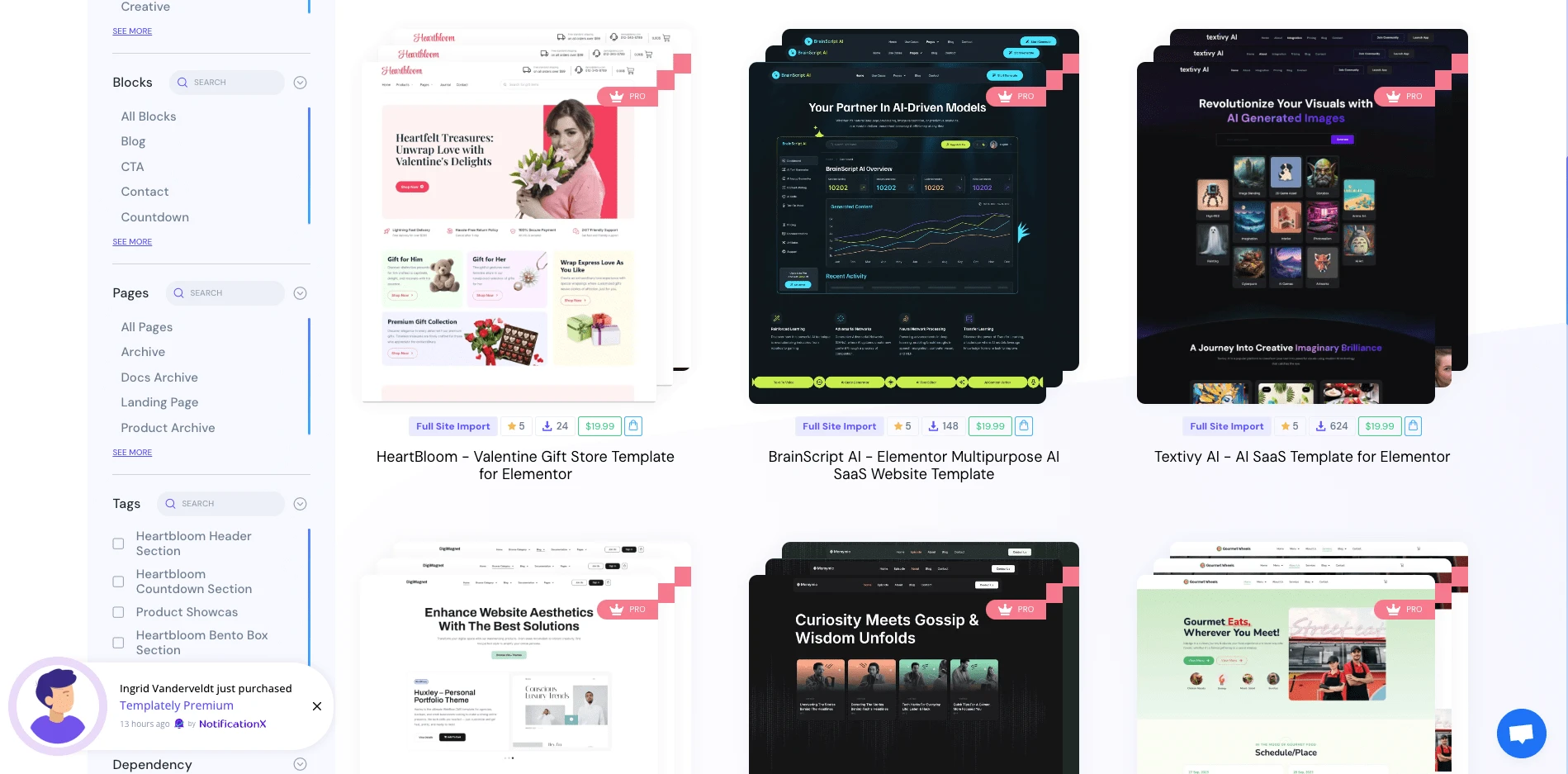
I built and productized 120+ responsive web templates on React/Next.js with animation tooling (Lottie, GSAP). This was my developer origin story — and early proof that understanding your user beats feature count. My user was another developer under deadline, not a persona slide. Every template had to work out of the box, pass accessibility checks, and ship fast enough that buying beat building from scratch.
The trap
Developers needed high-quality, customizable templates that maintained performance and accessibility without a week of integration work. Existing solutions were either too complex, too generic, or failed basic standards. Marketplaces rewarded thumbnail beauty over implementation time. The trap was optimizing for screenshots instead of the first hour after download.
The bet
I bet on modular components, atomic design, and documentation as the product — not prettier demos. WCAG compliance and performance benchmarks were launch criteria, not backlog items. Templates had to work out of the box. If a developer needed to refactor before showing a client, we failed — even if the demo looked stunning.
The fight
The fight was scope vs. quality. More templates meant more maintenance; I invested in build pipeline, testing, and documentation automation so each template met the same bar. Community feedback drove iteration — developers vote with downloads and refunds. I cut templates that rated well visually but scored poorly on "time to first deploy."
The proof
Templates reached 863K+ global downloads and 430K+ purchases on major marketplaces. User ratings stayed at 98% positive. Development time for implementers dropped 40%. 100% WCAG compliance across the library. Page load times improved 30%. That scale taught me product discipline I still use: one bar, many SKUs, no exceptions for "just this launch."
What I'd do again
I'd instrument "time to first deploy" from day one — not just download count. Downloads flatter; deploy time tells the truth. I'd also treat documentation as part of the UI. For developers, docs are the product surface.
Product calls
Key decisions
Developer-as-user research
Scoped features by what implementers needed to ship in a day — not what looked impressive in a marketplace thumbnail.
Accessibility as launch criteria
No template shipped without WCAG compliance. Quality at scale beat template count.
Pipeline over hero templates
Invested in build, test, and doc automation so 120+ templates stayed maintainable.
Outcomes
Measured impact
863K+ downloads
Global reach across template marketplaces
430K+ purchases
Monetized developer trust at scale
40% faster implementation
Developers shipped client sites faster with modular components
100% WCAG compliance
Accessibility built in, not bolted on
Takeaways
What I learned
- 1My PM career started here: the user was a developer under deadline, not a persona slide.
- 2At scale, documentation and consistency are product features.
- 3Downloads measure curiosity; deploy time measures value.
Technical appendix▼
Architecture
Technologies
Browse all 16 case studies across AI, commerce, and operations.